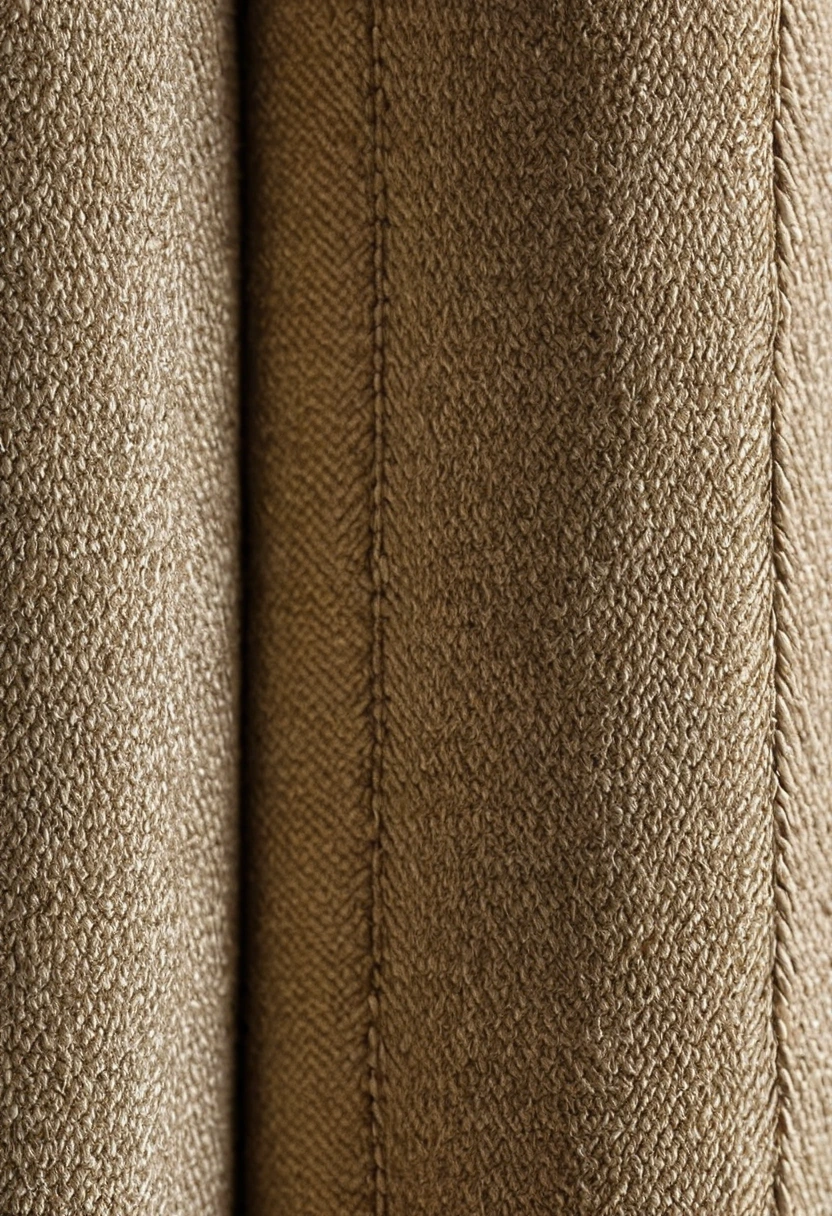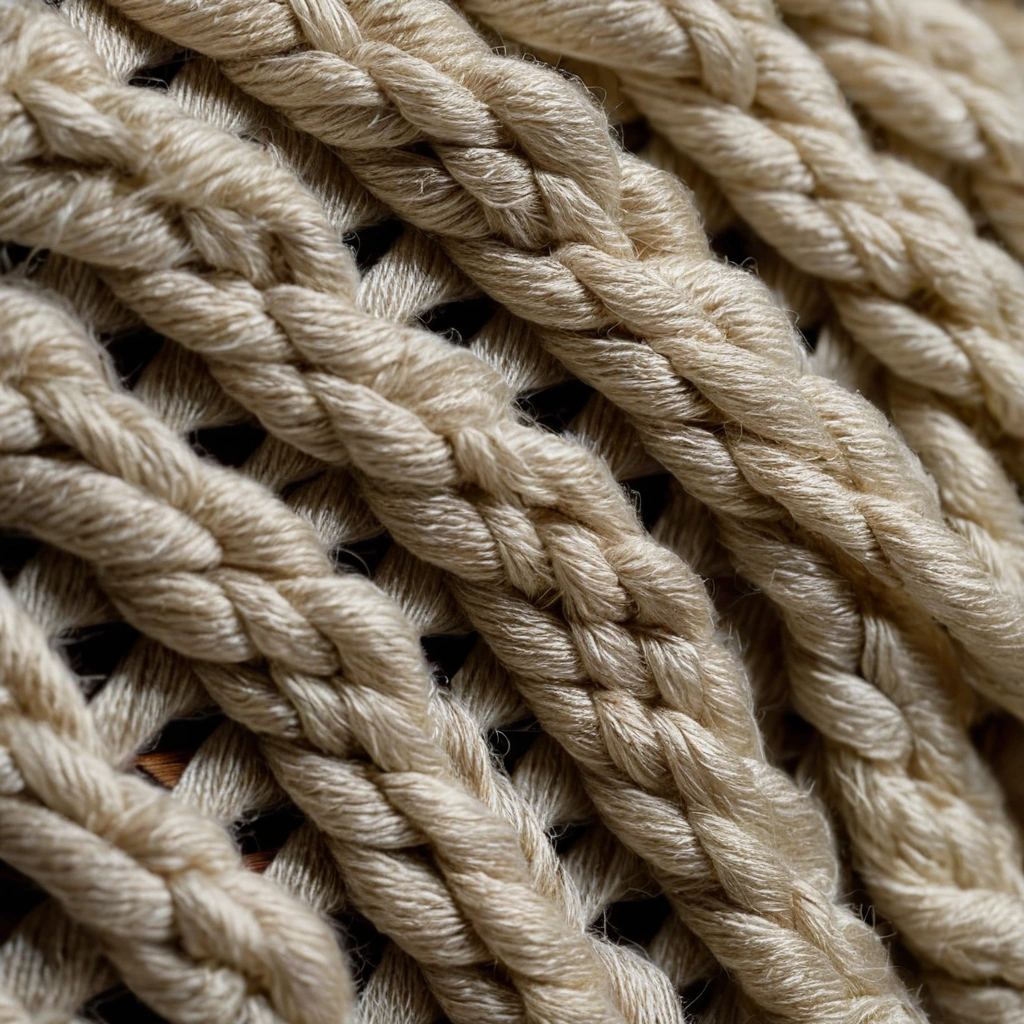
Sarelli Textiles presents fabrics and rugs for interior projects. On a sofa, the right fabric choice begins with how the seat will actually be used: who sits there, what touches the arms, how spills are handled, and whether the cover can be maintained in place. A sample card can answer some questions; a single wear number cannot answer them all.
What an abrasion result measures
An abrasion test repeatedly rubs a fabric under a defined laboratory method. The result helps compare a material with a stated guideline for a stated application. The Association for Contract Textiles (ACT) separates its voluntary guidelines by construction, intended application and indoor or outdoor use. A woven sofa cover should therefore be assessed against woven upholstery guidance, not a drapery or wallcovering category. The test report should name the method and the construction before its result is interpreted. ACT explains these application categories.
ACT is explicit that Wyzenbeek and Martindale tests assess flat surface abrasion. A seat has more complex wear: the front edge compresses and bends, seams are handled, the arm is touched repeatedly, and cushions move against one another. ACT also warns that unusually high abrasion results do not predict proportional service life. If a seller offers two covers with different cycle numbers, the higher figure is one data point, not a promise that one sofa will last twice as long. ACT’s abrasion disclaimer identifies cleaning, maintenance, misuse and application as field concerns.
Wear happens at particular places
Map the sofa before picking a cover. The seat center sees compression and rubbing from clothing; the cushion front sees bending; the arm top sees skin oils and frequent contact; the back may receive sunlight; and a loose cushion has seams that must tolerate turning. A fabric that looks excellent on a flat board may drape differently around a rounded arm or gather at a tight corner. Ask the upholsterer for a photograph of the proposed material on a similar form, or test a larger cutting against the actual frame.
Design details can distribute use. A reversible loose cushion can be rotated if both faces and construction allow it. A fixed, sculpted seat cannot be rotated, so local wear matters more. A narrow piping detail catches the eye but also creates a raised edge; its material and color should be assessed alongside the main cloth. These are construction decisions, not claims that a particular fiber or weave is universally more durable.
Read the whole performance sheet
ACT lists colorfastness to light, crocking, physical properties and flammability separately from abrasion. This distinction matters on a sofa. A dark cover that meets a wear guideline may still transfer color when rubbed wet or dry, depending on its actual result. A sofa next to a bright window may need a documented lightfastness result. A stretch or snag concern calls for the relevant physical-property information. Ask for the specific fabric’s current test sheet and identify any missing fields before ordering. The ACT overview describes the categories without treating one mark as a universal certificate.
| Question | Useful evidence | Decision it supports |
|---|---|---|
| How will the sofa be used? | Seat count, traffic pattern and furniture form | Application and construction |
| How does the surface wear? | Method named on the fabric test report | Flat abrasion suitability |
| Will it face light? | Lightfastness result for this colorway | Placement near glazing |
| How is it cleaned? | Supplier care instructions and a trial on a spare cutting | Routine and spill response |
| Can parts be replaced? | Cover pattern, yardage and batch details | Future repair planning |
Care is part of the specification
Before the fabric is cut, obtain the supplier’s current care instructions for that exact product. A generic upholstery cleaning code is useful only if it belongs to the chosen cover and agrees with the furniture maker’s instructions. Ask whether cushions can be removed, whether the cover can be cleaned in place, and whether a professional cleaner is needed for particular stains. Record this with the purchase documentation so the people using the room can find it later.
A practical routine starts with removing loose grit before it is pressed into the surface. Use the tool and method permitted by the supplier; aggressive brushing or an unsuitable solvent can change texture or color. For a fresh spill, follow the maker’s sequence and first test a hidden or spare sample. Do not assume that water is safe because a fabric feels soft, or that a stain treatment is safe because another sofa tolerated it. ACT specifically identifies inappropriate cleaning and lack of maintenance among reasons for field failure. The point is to preserve the selected material, not to improvise a universal recipe.

Sample the conditions, not just the color
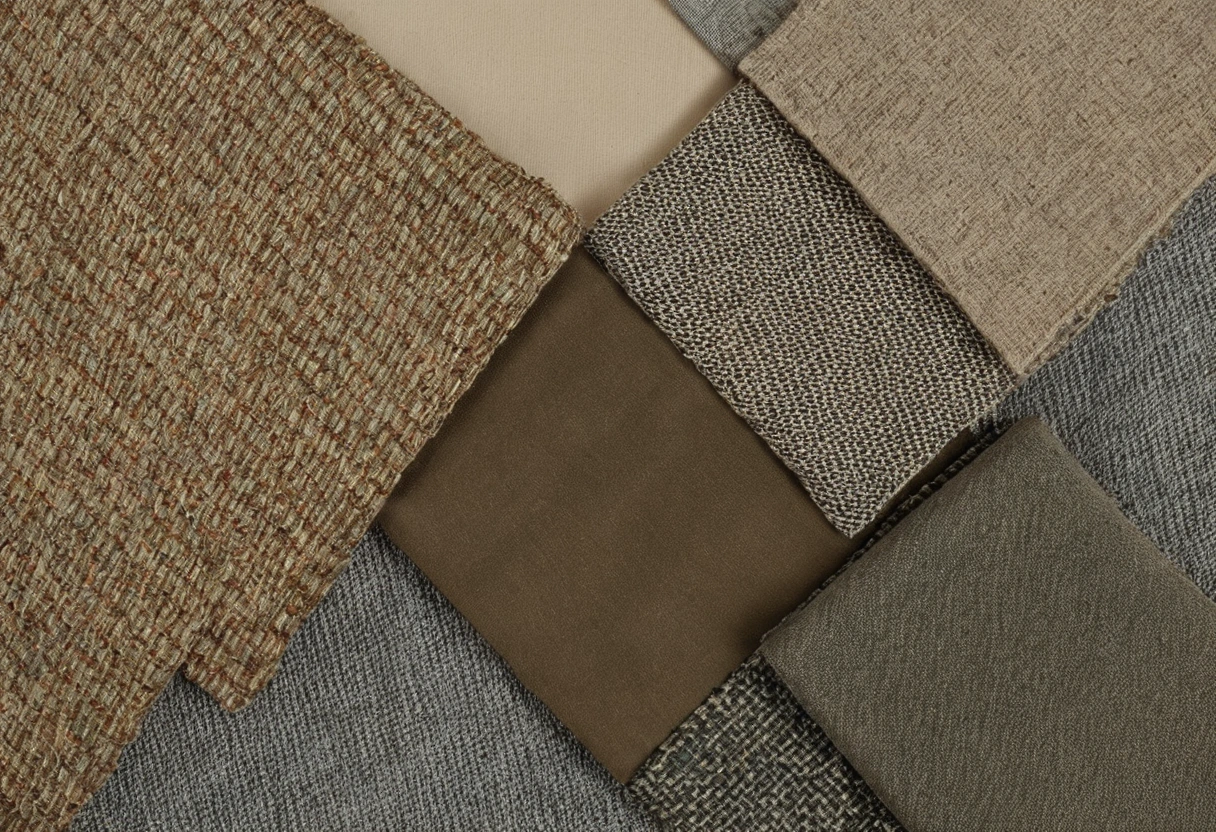
Look at a generous cutting both flat and folded. A tiny swatch can hide a repeat or a change in direction. Place it beside the planned wall, rug and wood finish in the room. Check it in daylight and under the room’s evening lights; the U.S. Department of Energy distinguishes the appearance of a light source from its effect on the colors of objects. A beige sample can therefore read differently under two lamps even when both are described as warm. DOE’s LED basics explains that distinction.
Handle the sample as users will handle the furniture. Fold it over a rounded edge, put it next to a cushion seam, and notice whether a directional pile changes shade. This is a visual and tactile check, not a laboratory durability test. If multiple pieces of furniture must match, compare cuttings from the planned production lot where available. The upholsterer should confirm usable width, pattern direction and the amount needed for matching across cushions.
Plan for repair while ordering
Ask whether the sofa can be re-covered without rebuilding it, and whether the selected material is expected to remain available. Availability is uncertain; a small reserve from the same order can be useful for a future arm repair, a replacement cushion or a stain test. Store it clean, dry and protected from light, with the fabric name and colorway written on a separate label. The reserve is most valuable when it includes enough material for the likely repair, not just a decorative square.
For a contract project, record the selected textile, supplier, finish, test sheet version, approved cutting, care guidance, seam direction and upholstery drawing in one specification. This helps the furniture maker and facilities team act on the same information. In a home, a shorter record can do the same job: photograph the label and sample, retain the order details, and note which cleaning guidance came with the cover. Documentation cannot stop wear, but it makes later decisions less speculative.
A sensible final check
Once the field is narrowed, ask four separate questions. Is this fabric approved for the sofa’s application? Does the test sheet address the expected forms of wear, light and color transfer? Can the owner carry out the stated care routine? Will the fabric work with the actual cushion and arm construction? If an answer is absent, request it from the supplier or upholsterer before treating a polished rendering as a specification.
The strongest sofa selection is a match between material, furniture and routine. Abrasion data can rule out a poor fit, but a sofa also depends on its seams, edges, exposure and maintenance. Decide with a full sample, the current product sheet and a realistic picture of how the room will be used. That combination turns a promising fabric into a defensible upholstery choice without asking one test to predict an entire furniture life.